Choosing the right gut health test kit can be overwhelming. This article highlights five well-regarded at-home options that focus on microbiome analysis, dietary triggers, and personalized recommendations. Each kit provides a distinct angle—from comprehensive gut scores to food intolerance insights—allowing you to compare methods, turnaround times, and the actionable steps they suggest. The selections here are designed for American readers seeking practical, science-backed insights to support digestive wellness at home.
| Product | Brand | Focus | Sample Type | Delivery of Results |
|---|---|---|---|---|
| BIOHM Gut Health Test Kit | BIOHM | Gut score and actionable recommendations | Stool sample | Easy-to-read gut report |
| 5Strands Comprehensive Gut Health Test | 5Strands | Dietary triggers and intolerances | Hair sample | 4-day results with tolerance levels |
| Tiny Health Gut Health Test Kit | Tiny Health | Biomarker insights from metagenomics | Stool sample | Fast results window |
| Biomesight Gut Microbiome Test | Biomesight | Comprehensive microbiome with lifestyle advice | Stool sample | Personalized recommendations |
Below, five tests are explored with a concise overview of what each offers, how results are presented, and what you can expect in terms of follow-up steps. The aim is to help readers weigh convenience, depth of analysis, and practical guidance when planning a gut health check from home.
BIOHM Gut Health Test Kit Overview

The BIOHM Gut Health Test Kit is designed for home use with an emphasis on a clear gut score and actionable recommendations. After submitting the sample and answering a lifestyle survey, you receive a comprehensive report that highlights both bacterial and fungal balance. The results are presented in an accessible legend to help users visualize how their gut composition compares to normal baselines. This approach makes it easier to identify areas for dietary or lifestyle adjustments.
5Strands Comprehensive Gut Health Test

The 5Strands test offers insights into dietary triggers and intolerances through a hair sample analysis. It sorts tested foods into four intolerance levels and covers a wide range of categories, including proteins, dairy, grains, produce, additives, and common processing ingredients. By mapping intolerance levels, users can plan targeted dietary adjustments to reduce bloating, discomfort, and nutrient absorption issues. The test emphasizes practical diet changes rather than only reporting biomarkers.
Tiny Health Gut Health Test Kit For Adults

Tiny Health focuses on rapid, science-backed insights using deep-shotgun metagenomics, a high-resolution method for analyzing the microbiome. While generally faster in delivering results, this test emphasizes precision at the strain level and aims to provide biomarkers that can help users understand gut function. The kit is positioned as an affordable alternative to more traditional clinical testing, offering results that can inform dietary and lifestyle choices.
Biomesight Gut Microbiome Test
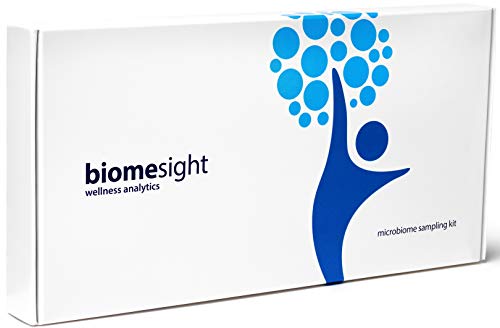
Biomesight provides a comprehensive gut microbiome analysis with personalized supplement and food recommendations. The report highlights the roles of pathobionts, commensal bacteria, and probiotics, offering actionable steps tailored to an individual’s identified microbial profile. The focus on personalized diet and supplement guidance makes it attractive for readers seeking a proactive plan to modulate gut ecology and support overall digestive health.
Buying Guide: Key Purchase Considerations
- Test type and sample required: Stool tests often reveal microbiome composition, while hair-based tests assess dietary intolerance signals. Consider which sample aligns with your goals and comfort level.
- Depth of results: Some kits provide a broad overview with practical tips, while others deliver high-resolution data for in-depth analysis. Decide whether you want an actionable plan or detailed microbial metrics.
- Time to results: Turnaround times vary from days to weeks. If you need quick guidance, prioritize kits with faster reporting timelines.
- Actionability: Look for tests that translate results into concrete steps, such as dietary adjustments, supplement suggestions, or lifestyle changes, rather than just listing data.
- Reproducibility and support: Consider whether the provider offers follow-up consults, ongoing monitoring, or access to education resources to interpret changes over time.
- Cost structure: Evaluate the overall value, including any recurring costs for updates, additional analyses, or subscription models if you desire ongoing tracking.
- Regulatory and privacy considerations: Ensure the testing service adheres to data privacy standards and provides transparent information about sample handling and data sharing.
When comparing options, it’s useful to align the test’s focus with personal health goals. If you suspect food-related digestive issues, a test that identifies dietary triggers can guide immediate dietary trials. For broader gut wellness, a comprehensive microbiome analysis with personalized recommendations may offer longer-term strategies. For families, consider tests designed for adults and kids or those that cover multiple life stages. Always consult healthcare providers if results raise concerns or if you plan to make substantial changes to medications or diets.